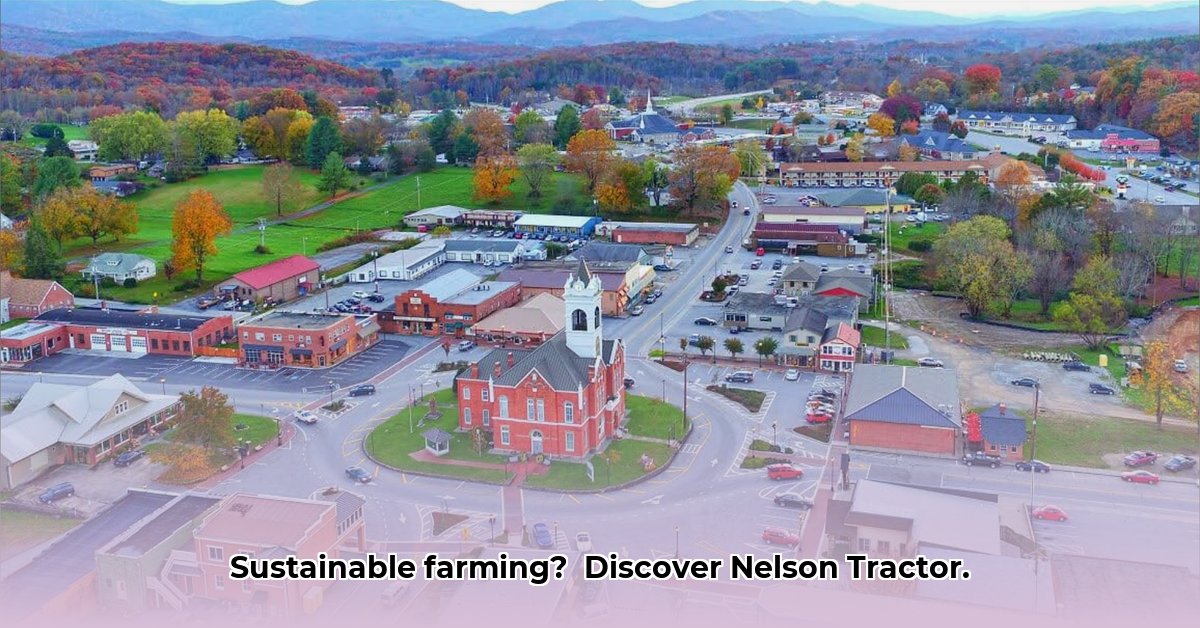
Nelson Tractor Company: A North Georgia Legacy
Nelson Tractor Company, a Blairsville, Georgia institution, has served North Georgia farmers for over 75 years. Its history is interwoven with the region's agricultural development, reflecting the evolution of farming practices over several generations. With multiple locations strategically positioned across the region—Blairsville, Jasper, and Dalton—Nelson Tractor provides convenient access to essential services for farmers across a geographically diverse area. These services encompass sales, service, and parts for a broad range of agricultural equipment. However, the extent of their contribution to sustainable agricultural practices requires further investigation. This case study aims to analyze Nelson Tractor's role and identify opportunities for enhanced sustainability within the North Georgia farming community. Learn more about their history at Nelson Tractor.
Understanding North Georgia's Agricultural Needs
North Georgia's agricultural landscape is characterized by diverse farming operations, ranging from small family farms to larger commercial operations. The equipment needs vary widely depending on the specific crops cultivated and the scale of production. While the adoption rate of sustainable agricultural technologies is increasing, precise data on the extent of this adoption remains elusive. Further research is needed to accurately quantify the usage of fuel-efficient machinery, precision farming tools, and alternative energy sources within the region's agricultural sector. A clearer picture of current practices is critical to assessing the role companies like Nelson Tractor can play in promoting environmentally conscious farming.
Nelson Tractor Company and Sustainable Agriculture: An Assessment
Nelson Tractor Company enjoys a strong reputation for providing reliable equipment and services. However, publicly available information regarding their specific commitment to sustainable agricultural technologies is limited. Their online presence, for instance, doesn't prominently highlight environmentally friendly equipment options. This lack of readily accessible data necessitates further investigation to fully evaluate their contribution to sustainable practices. This isn't necessarily indicative of a lack of engagement, but rather underscores the need for transparency and enhanced communication of their actions in this area. Analyzing sales data, equipment inventories, and conducting interviews with both company representatives and their customers would provide crucial insights.
Actionable Recommendations for a Sustainable Future
To effectively promote sustainable agriculture in North Georgia, a collaborative effort involving Nelson Tractor Company, farmers, and government agencies is crucial. The following recommendations are designed to foster this collaborative approach:
For Nelson Tractor Company:
Conduct Comprehensive Market Research: Thoroughly investigate the specific sustainable farming equipment needed by North Georgia farmers, considering factors such as cost, usability, and maintenance requirements. Direct interaction with farmers through surveys and focus groups is vital. This research should also assess the potential demand for alternative fuels and energy-efficient technologies.
Invest in Staff Training and Development: Equip sales and service personnel with the expertise to advise farmers on the benefits and practicality of sustainable equipment options. This includes knowledge of pertinent government incentives and financial support programs.
Develop Strategic Partnerships: Collaborate with manufacturers of sustainable agricultural equipment to expand the product offerings available to their customers. This could include partnerships with companies specializing in fuel-efficient machinery, precision farming technologies, or renewable energy solutions.
For North Georgia Farmers:
Explore Available Resources: Actively investigate the range of sustainable agricultural equipment and practices available, utilizing resources such as workshops, educational programs, and online resources.
Seek Financial Assistance: Explore and actively pursue government grants, subsidies, and other financial assistance programs designed to support the adoption of sustainable agricultural technologies.
For Government Agencies:
Enhance Information Dissemination: Improve the accessibility of information concerning sustainable agricultural practices and funding opportunities. This may include creating user-friendly online platforms, organizing workshops and educational events, and distributing informative materials.
Implement Incentive Programs: Strengthen incentive programs for adopting sustainable technologies, such as tax credits, direct subsidies, and other financial incentives. These programs should be designed to encourage widespread adoption and make sustainable practices economically feasible for farmers.
Conclusion: A Collaborative Path Forward
Nelson Tractor Company's long history in North Georgia positions them uniquely to play a leadership role in the transition towards more sustainable agricultural practices. This requires a collaborative approach, with Nelson Tractor proactively engaging with farmers and government agencies. Further research is essential to fully understand the company’s current contributions, paving the way for more effective strategies to advance sustainable agriculture in the region. By working together, we can foster a healthier environment and a more prosperous future for North Georgia's agricultural sector. The need for transparent data and increased collaboration among all stakeholders is paramount to achieving this goal.